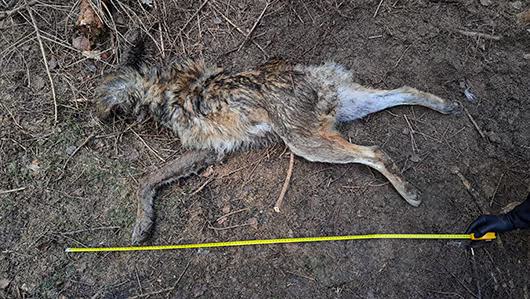

Last year, through our mobile application Green Crime Reporting, we received a report about the discovery of a dead animal in the territory of the village of Brniště, within the local hunting ground of the same name. A passer-by who discovered the body was not sure whether it was a dog or a wolf, and therefore made the right decision to report the finding.
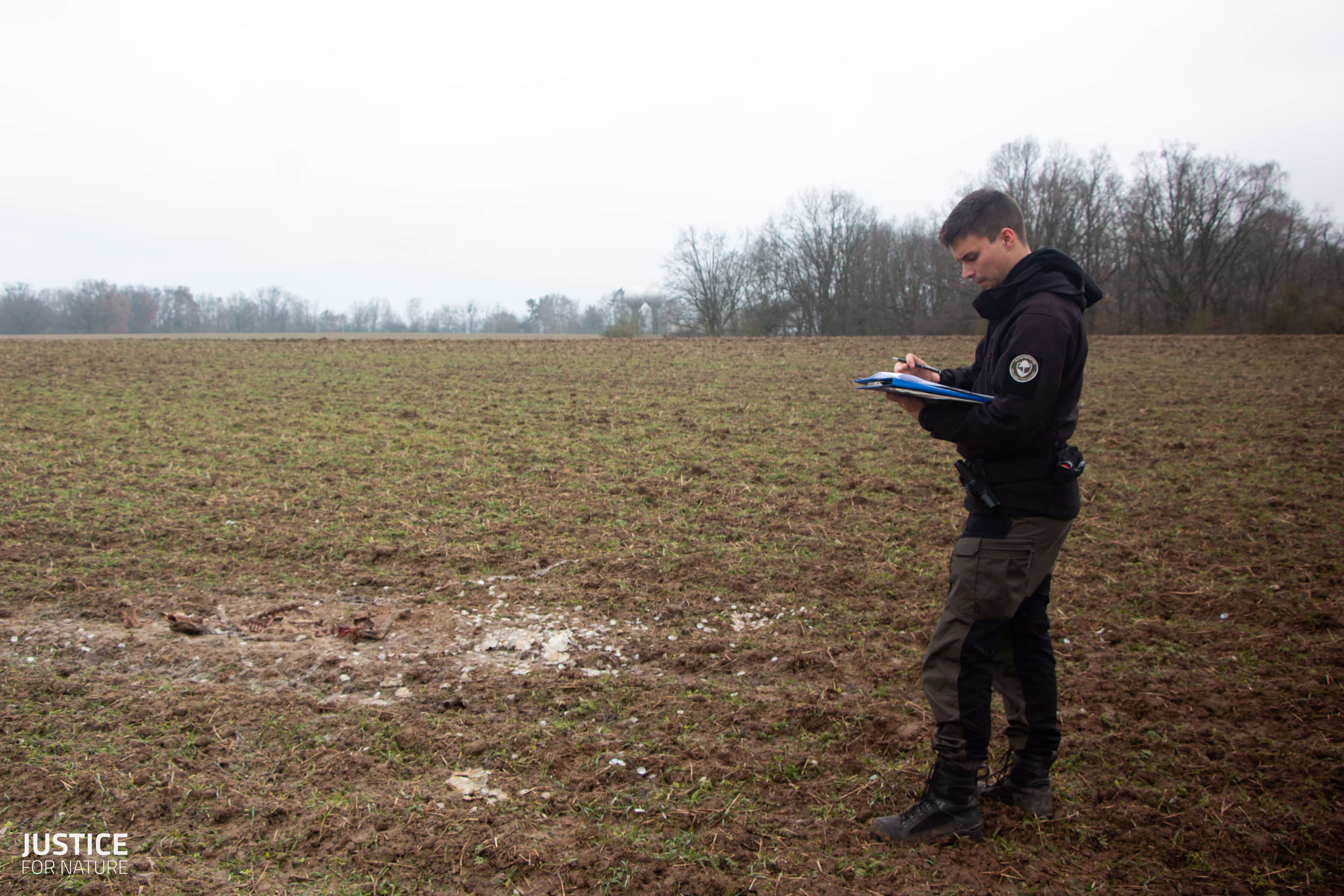
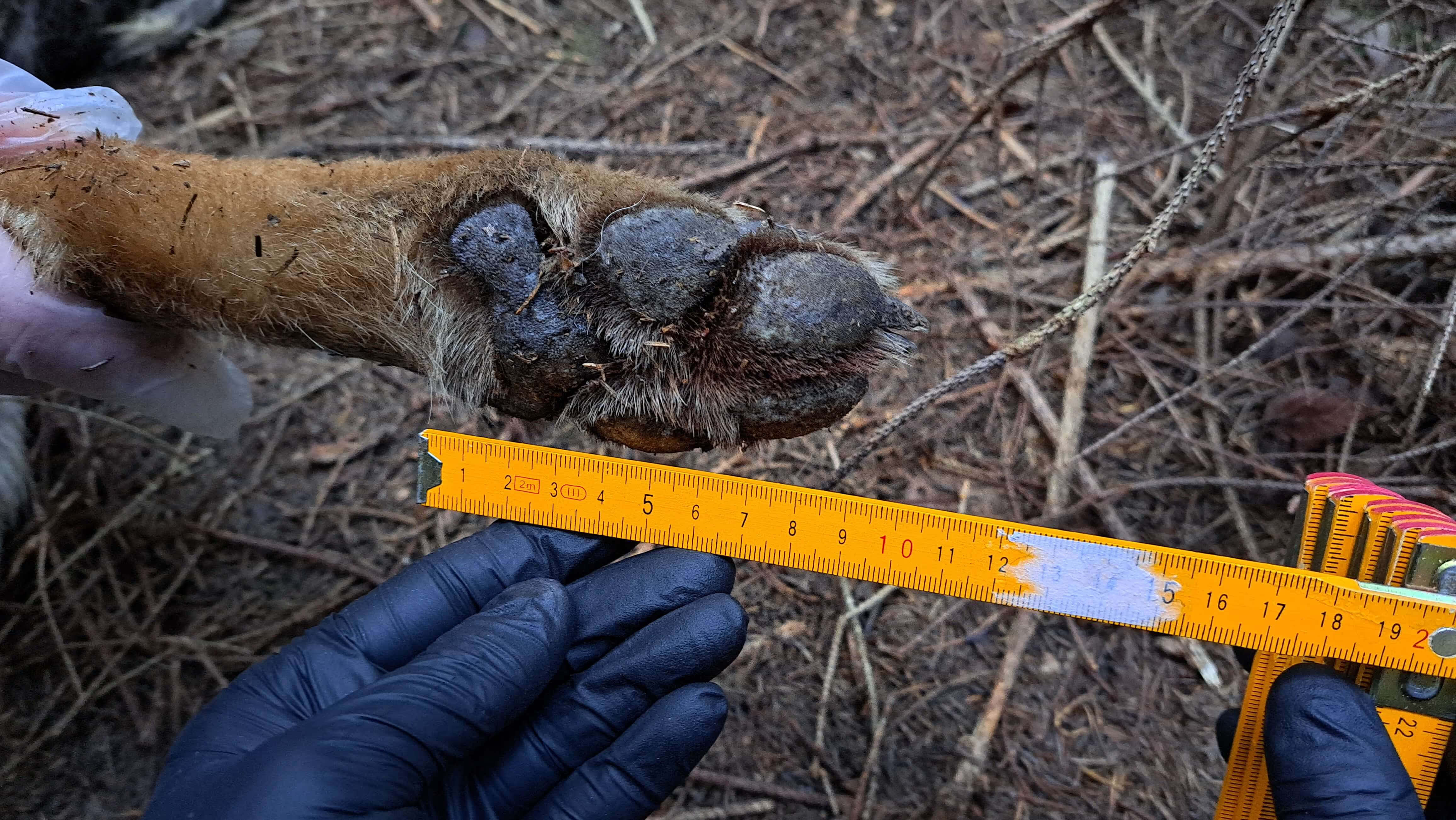
Our field response team went to the site and examined the case together with staff from the Nature Conservation Agency of the Czech Republic and the Police of the Czech Republic. Based on the initial inspection, it was clear that the animal was very
likely a wolf.
A closer examination revealed gunshot wounds on the animal’s body. It was also discovered that the perpetrator had cut off the wolf’s head and tail, most likely with the intention of keeping a trophy from this protected species. A subsequent necropsy and genetic analysis confirmed that the animal was indeed a wolf. However, the police have not yet been able to identify or apprehend the perpetrator.
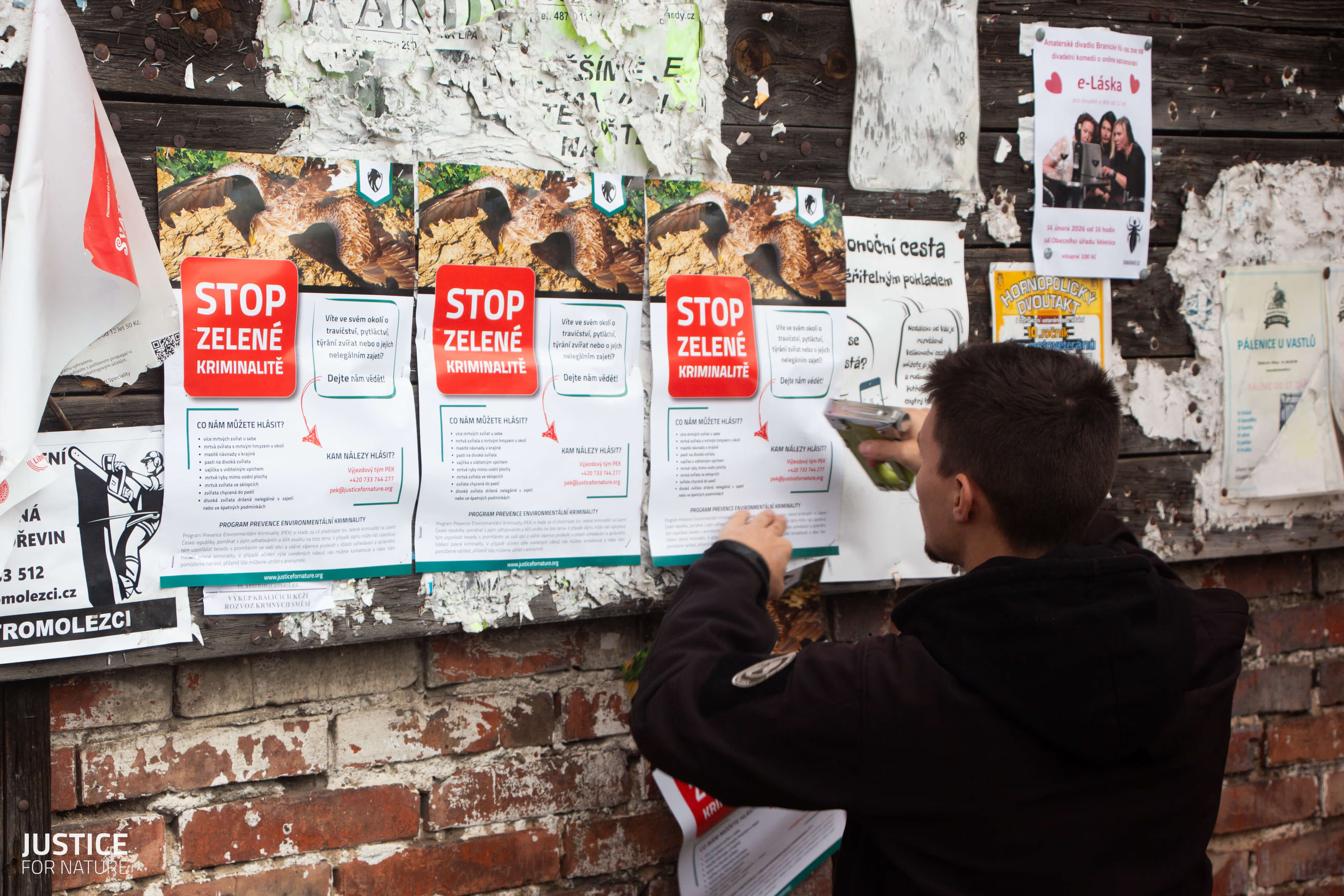
Following consultations with the Police of the Czech Republic, we launched an intensive information campaign in the area aimed at raising awareness about environmental crime and about this specific case of poaching. The campaign is taking place primarily in the hunting grounds of Brniště and Kunratice–Lindava.
Its goal is to reach potential witnesses or anyone who may have relevant information about the case. From experience, we know that people sometimes hesitate to contact the police directly, especially if the perpetrator could be someone from their immediate community. Our organization therefore offers the possibility to submit information through our application or directly to us. These reports are then forwarded to the appropriate authorities.
Our activities also include regular field patrols on foot, for which we are currently seeking volunteers from the region.
In 2024, the village of Brniště also experienced damage caused by wolves attacking sheep in a local flock. Such situations often lead to strong emotions and negative attitudes toward wolves in rural communities.
However, it is important to note that many conflicts between people and wolves are linked to insufficient protection of livestock. When herds are protected by appropriate preventive measures—such as effective fencing or livestock guardian dogs—the risk of attacks can be significantly reduced.
At the same time, the negative perception of wolves can be reinforced by media coverage that focuses more often on damage incidents than on the ecological importance of these animals.
Wolves are apex predators and play an important role in the functioning of ecosystems. Living and hunting in packs, they primarily prey on deer, roe deer, and wild boar, helping to naturally regulate the populations of these species.
By doing so, they can help reduce excessive damage to forest vegetation. The presence of large predators also influences the behavior of ungulates: animals move more frequently and do not remain in one place for long periods. This process can have positive effects on forest regeneration and on overall biodiversity.
Similar ecological effects have been documented in many regions of Europe and North America. Apex predators therefore play an important role not only in natural ecosystems but also in the human-shaped landscapes of Central Europe.
According to data from the Nature Conservation Agency of the Czech Republic, approximately ten cases of illegal wolf killings were recorded in the country over the past year. However, these are only the cases that have been detected—the real number may unfortunately be higher.
Preventing such crimes depends largely on raising public awareness and encouraging open discussion about the role of large carnivores in our landscape.
In modern history, there has not been a single documented case of a wolf attacking a human in the Czech Republic. At the same time, the state compensates farmers for damage caused by wolves to livestock, and farmers can apply for subsidies to implement preventive measures to protect their herds.
Investigating environmental crimes, documenting illegal killings of protected wildlife, and conducting field patrols requires time, expertise, and resources. This work is only possible thanks to the interest and support of the public.
If you would like to help us continue protecting wildlife and uncovering environmental crime, please consider supporting our work.
Learn more about our program Prevention of Environmental Crime and how you can contribute here: Learn more and support our work
Every contribution helps us remain active in the field, respond to reports from the public, and cooperate with authorities to investigate crimes against nature. Together we can give wildlife a stronger voice.